


Money isn’t just something to earn and spend—it’s a tool that can work for you if used wisely. Achieving financial freedom means reaching a point where your money generates income without you constantly working for it. Let’s explore how you can make that happen in real life.
1. Understand the Power of Compounding

Compounding is the secret ingredient to wealth growth. When you invest money and earn interest, and that interest itself starts earning more interest, your wealth multiplies faster. Start early—even small investments today can grow into something big tomorrow.
Tip: Invest monthly in mutual funds or SIPs for consistent growth.
2. Build Multiple Income Streams
Relying on a single salary can limit your financial potential. Create passive income sources such as:
- Renting out property
- Investing in dividend stocks
- Starting a small online business or side hustle
- Creating digital products or content
These streams ensure you earn even when you’re not actively working.
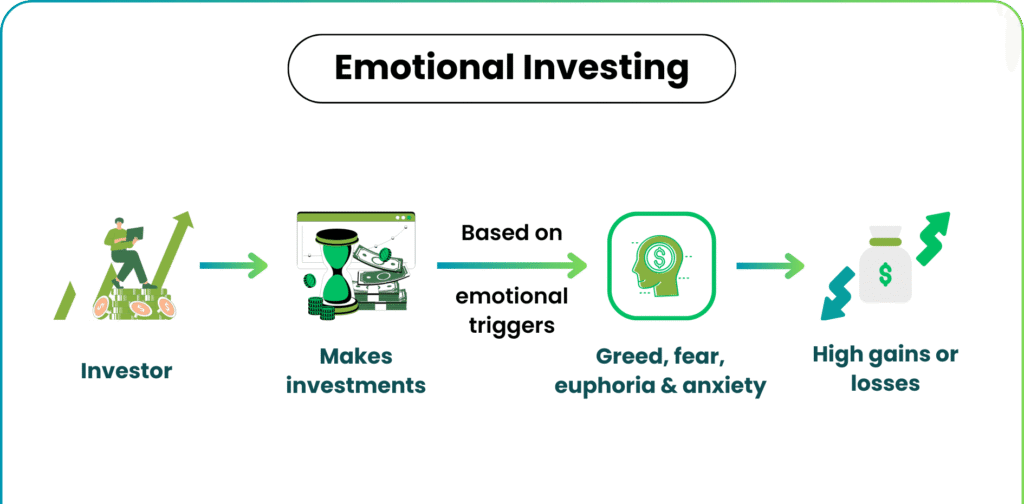
3. Invest Wisely, Not Emotionally
The stock market, real estate, or mutual funds can be powerful wealth-building tools—but only when approached strategically. Always research before investing. Avoid emotional decisions based on trends or fear.
Rule of thumb: Diversify your portfolio and don’t put all your money in one place.
4. Automate Your Savings
Set up automatic transfers from your salary account to a savings or investment account. This “pay yourself first” strategy ensures you save before spending. Over time, it builds strong financial discipline and a growing investment base.

5. Limit Bad Debt and Use Good Debt Smartly
Debt isn’t always bad—if managed well, it can be a wealth-building tool.
- Bad debt: Credit card bills, personal loans for lifestyle spending.
- Good debt: Home loans, education loans, or business investments that help you grow assets or income.
6. Track, Plan, and Budget
Financial freedom starts with awareness. Use budgeting apps or a simple spreadsheet to track expenses. Allocate your income using the 50-30-20 rule:
- 50% needs (rent, groceries)
- 30% wants (leisure, shopping)
- 20% savings/investments
7. Learn and Stay Financially Educated

Financial freedom requires continuous learning. Read finance blogs, watch investment videos, or take courses on personal finance. The more you know, the smarter your money choices become.

Making your money work for you isn’t about luck—it’s about planning, discipline, and smart decisions. Start small, stay consistent, and let time and compounding do their magic. The earlier you begin, the sooner you’ll achieve true financial freedom.
8. Set Clear Financial Goals
Decide what “financial freedom” means to you—retiring early, owning a home, or traveling often. Break those dreams into actionable goals and work toward them systematically.
#FinancialFreedom #SmartMoney #InvestWisely #PassiveIncome #BudgetingTips #WealthBuilding #MoneyMatters #PersonalFinance #Carrerbook #Anslation #InvestSmart #SavingsGoals